
Adding Power Points Without Overloading a Circuit
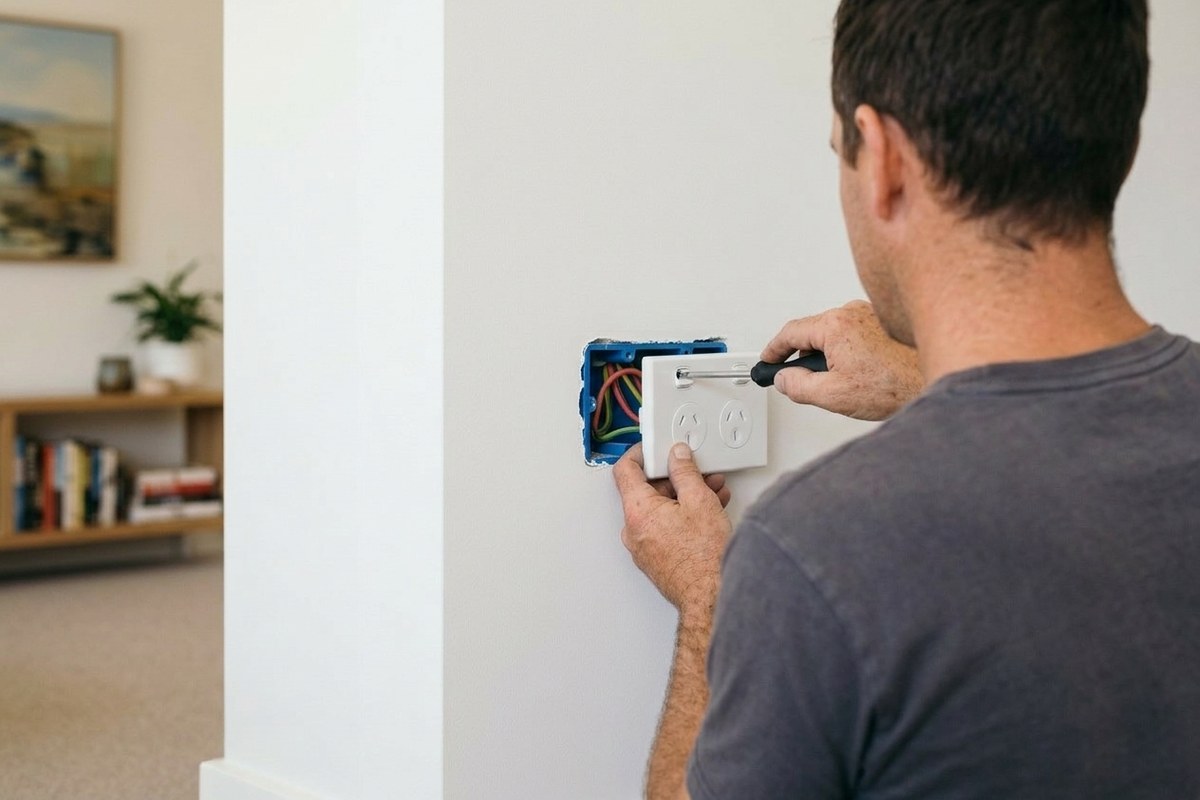
<p>Older homes were wired for a fraction of the appliances we now run, so it's no surprise that many Umina Beach homes end up relying on double adaptors and power boards. The trouble is that those workarounds load a single point and circuit well beyond what was intended, and that's where overheating and tripping start. Adding proper power points is the safe fix.</p><h2>Why double adaptors are a problem</h2><p>A power point and the circuit behind it are rated to carry a certain load. Stack a double adaptor with a power board and a few hungry appliances, and you can draw more through that single point than it's designed for. The result is heat at the point, a tripping circuit, or, at worst, a fire risk. Piggy-backing boards off boards is one of the more common hazards electricians see in older homes.</p><h2>The right way to add points</h2><p>Adding power points isn't just splicing into the nearest cable. A good job means assessing which circuit can take the extra load, or running a new circuit from the switchboard if needed, so the new points are properly protected and you're not just shifting the overload somewhere else. Where the board is already at capacity, common in older Umina homes, that might mean addressing the switchboard first.</p><h2>Worth doing during a reno</h2><ul><li>Add points where you actually use them, benches, desks, bedsides, the entertainment unit.</li><li>Plan for the appliances you'll add later, not just today's.</li><li>If walls are open for a renovation, it's the cheapest time to add points and circuits.</li></ul><p>It's licensed electrical work for good reason. If your home runs on adaptors, adding proper points makes it safer and far more livable, tell us where you need them and we'll sort it.</p>
Talk to a Local Central Coast Electrician
Get a free, no-obligation quote from a licensed electrician serving the Central Coast.